Top 10 Gas Distribution Instruments You Need to Know?

Time:2026-08-15 Author:Charlotte
0%

Understanding gas distribution is essential for safety and efficiency in various industries. The right Gas Distribution Instrument significantly impacts how gas is monitored, controlled, and delivered. With the continuous evolution of technology, these instruments have become more sophisticated, ensuring higher precision and reliability.

In this article, we will explore the top 10 Gas Distribution Instruments you need to know. Each instrument serves a unique purpose, addressing different challenges in gas distribution systems. From flow meters to pressure regulators, these tools are crucial for maintaining optimal operations. Their effectiveness relies on proper installation and regular maintenance, which some users overlook.

Ultimately, understanding the specific functions and applications of these instruments can lead to better decision-making. It can also improve the overall safety and efficiency of gas systems. As the industry changes, staying informed about these instruments is more critical than ever.
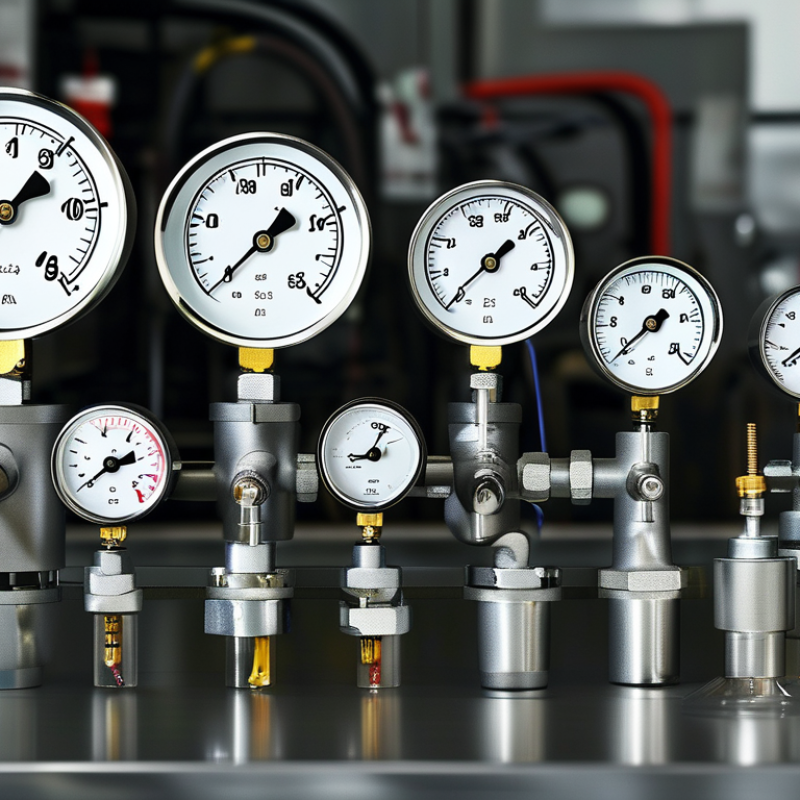
Top 10 Gas Distribution Instruments You Need to Know?

Essential Characteristics of Gas Distribution Instruments

Gas distribution instruments play a crucial role in ensuring safety and efficiency in gas management systems. Understanding their essential characteristics is vital for both operators and engineers. Firstly, accuracy is paramount. Instruments must provide precise measurements to prevent leaks and ensure compliance with safety regulations. A small error can lead to significant safety hazards. Regular calibration is key, yet often overlooked in practice.

Another important characteristic is durability. Instruments need to withstand harsh environmental conditions. Corrosion and temperature fluctuations can affect performance. Choosing materials suitable for specific environments is necessary. Many professionals struggle to balance durability and cost. This often leads to compromises that could impact reliability.

Moreover, ease of use is essential. User-friendly interfaces enhance operational efficiency. Complex settings can confuse operators, leading to errors. Training is often inadequate, and users may not fully understand instrument capabilities. It's crucial to invest time in proper training. This may prevent costly mistakes in the long run.

Types of Gas Distribution Instruments Commonly Used

Gas distribution instruments play a vital role in ensuring safe and efficient gas management. These tools vary widely in function and application, catering to distinct needs in the industry. One common type is the gas flow meter, which accurately measures the volume of gas flowing through a system. Precise readings are essential for monitoring usage and ensuring efficiency.

Another important instrument is the pressure regulator. It helps maintain a consistent pressure in the gas distribution system. Ensuring correct pressure levels prevents leaks and enhances safety. Additionally, gas detection systems are crucial. They monitor for leaks or hazardous gas concentrations, providing critical alerts in real-time.

Regular maintenance and calibration of these instruments are often overlooked. Neglecting this can lead to inaccurate readings. Without proper checks, minor issues may escalate, compromising safety and efficiency. It's essential to invest time in reviewing these instruments regularly for optimal performance.

Principle of Operation for Each Instrument in Gas Distribution

In gas distribution, understanding the operational principles of various instruments is crucial. Pressure regulators maintain consistent pressure levels, allowing safe gas flow. These devices adjust according to upstream pressure variations, ensuring effective distribution. According to industry reports, over 60% of gas distribution incidents stem from pressure malfunctions. This emphasizes the need for reliable regulators.

Flow meters play an essential role in measuring gas quantity. They utilize various technologies, including ultrasonic and differential pressure methods. Accurate flow measurements can prevent financial losses and enhance safety. An estimated 30% of gas utilities report discrepancies due to faulty meters. Addressing this issue is imperative for efficiency.

Gas detectors are vital for safety, sensing leaks swiftly. They function through electrochemical or infrared technology. Early detection can significantly reduce risks, as data suggests that prompt action during leaks can save up to 70% of potential damages. However, detector calibration is often neglected, potentially leading to failures when it matters most. Regular maintenance checks are essential to uphold their reliability.

Top 10 Gas Distribution Instruments You Need to Know

Instrument Principle of Operation Application
Flow Meter Measures the flow rate of gas using volumetric or mass flow principles. Used in pipelines to ensure safe and efficient gas distribution.
Pressure Regulator Maintains a constant output pressure regardless of variations in input pressure. Essential for pressure control in gas distribution systems.
Gas Analyzer Analyzes the composition of the gas mixture using infrared or chromatographic methods. Used to monitor gas quality and ensure compliance with safety standards.
Filter Removes particulates and impurities from gas streams. Protects downstream equipment from damage and ensures clean gas supply.
Safety Valve Automatically releases gas if pressure exceeds preset limits to prevent explosions. Crucial for maintaining safety in gas distribution networks.
Flow Control Valve Controls the flow of gas through the pipeline using electronic or mechanical methods. Used for managing gas supply to different areas or consumers.
Temperature Sensor Measures the temperature of gas using thermocouples or RTDs. Monitors operational conditions to optimize performance.
Data Logger Records gas usage, pressure, and other parameters over time for analysis. Helps in monitoring and optimizing gas consumption.
Corrosion Monitoring System Detects and monitors corrosion in pipelines using sensors and probes. Critical for maintaining the integrity of gas infrastructure.
Leak Detection System Uses sensors to detect gas leaks in the distribution network. Enhances safety and prevents loss of gas.

Key Applications of Gas Distribution Instruments in Industry

Gas distribution instruments play a crucial role across various industrial sectors. Their applications impact safety, efficiency, and compliance. Industries like oil and gas heavily rely on these instruments. According to the Global Gas Distribution Equipment Market Report, the sector is expected to grow by 5% annually through 2025. Effective monitoring and control systems ensure that gas is distributed safely and efficiently.

In the chemical industry, precise gas flow measurement is vital. Instruments such as gas flow meters allow for accurate control of processes. Reports indicate that maintaining optimal flow rates can increase production by up to 15%. Safety devices, such as gas leak detectors, are essential for reducing risks. They not only protect workers but also help industries comply with safety regulations.

Tip: Regularly calibrate gas distribution instruments. This helps maintain accuracy and reliability. It's a simple practice that can save costs in the long run. Another critical aspect is training staff on the use of these instruments. Proper knowledge can prevent potential hazards. Industries must continuously evaluate their gas distribution processes and look for improvements. This reflection can lead to better safety standards and operational efficiency.

Top 10 Gas Distribution Instruments You Need to Know

This chart displays the key applications of various gas distribution instruments in the industry. The data represents the average usage in different sectors.

Maintenance and Safety Considerations for Gas Distribution Devices

Gas distribution devices play a crucial role in ensuring safety and efficiency. Regular maintenance is essential for preventing leaks and ensuring proper function. Inspect valves and regulators frequently. Look for signs of wear or damage. This helps avoid costly repairs and accidents.

Here are some tips for maintaining gas distribution instruments:

Check seals and gaskets regularly. A small crack can lead to significant leaks. Replace these components at the first sign of degradation. Maintain cleanliness around all devices. Dirt can disrupt the operation and even cause failure.


Always keep an eye on pressure levels. If they are irregular, it may indicate an issue. Reactive measures are often too late. Schedule regular audits of your gas distribution system. This proactive approach helps identify potential risks before they escalate. Remember, safety is paramount in gas distribution.

FAQS

: Why is accuracy important in gas distribution instruments?

: Accuracy prevents leaks and ensures safety compliance. A small error can pose significant risks.

What is often overlooked but crucial for maintaining instrument accuracy?

Regular calibration is key but often neglected in practice.

How does environmental durability affect gas distribution instruments?

Instruments must withstand corrosion and temperature fluctuations. Choosing the right materials is essential.

What challenge do professionals face concerning instrument durability?

Balancing durability and cost can lead to compromises, affecting reliability.

Why is ease of use important for gas distribution instruments?

User-friendly interfaces enhance efficiency. Complex settings can confuse operators and cause errors.

What issue arises from inadequate training on gas distribution instruments?

Users may misunderstand instrument capabilities, leading to costly mistakes.

How do gas distribution instruments impact the chemical industry?

Precise measurement optimizes processes, increasing production by up to 15%.

What role do safety devices play in gas distribution?

Safety devices, like gas leak detectors, protect workers and help comply with regulations.

What is a simple tip for maintaining instrument reliability?

Regular calibration maintains accuracy and saves costs in the long run.

Why should industries reflect on their gas distribution processes?

Continuous evaluation leads to better safety standards and operational efficiency improvements.

Conclusion

Gas distribution instruments are essential tools in the management and monitoring of gas flow in various industrial applications. These instruments possess critical characteristics, such as accuracy, reliability, and durability, which are vital for ensuring efficient gas distribution. Common types of gas distribution instruments include flow meters, pressure regulators, and gas detectors, each designed to serve specific needs within the industry. Understanding the principle of operation for each instrument is crucial, as it informs users of how to effectively utilize them based on their unique applications.

In terms of applications, gas distribution instruments are widely used in sectors such as energy, manufacturing, and environmental monitoring, where precise gas management is paramount. Maintenance and safety considerations are also key, as regular checks and adherence to safety protocols can prevent potential hazards associated with gas distribution. Overall, understanding the functionalities and requirements of gas distribution instruments is critical for optimizing gas usage and ensuring safety in industrial operations.


Charlotte

Charlotte

Charlotte is a seasoned marketing professional with a deep understanding of the company's portfolio and a passion for elevating its presence in the market. With a keen eye for detail and a commitment to excellence, she ensures that our professional blog is regularly updated with insightful articles......