High-precision diagnostic equipment and dynamic gas controllers engineered for emergency environmental calibration and industrial process security.
Modern industrial development requires robust response systems to handle sudden hazardous environmental impacts. As petrochemical hubs, oil refineries, and municipal distribution grids expand globally, the frequency and potential consequences of accidental chemical emissions have grown. In response, global regulatory groups are demanding advanced, real-time tracking techniques that go beyond legacy spot-check methods. This paradigm shift demands high-precision gas analysis, telemetry imaging, and accurate dynamic gas calibration.
"To build true environmental resilience, modern industries must transition from reactive detection to predictive warning systems. Continuous monitoring, high-precision instrument calibration, and instantaneous wide-area analysis are the pillars of modern environmental protection."
Beijing Airpbb Environmental Protection Equipment Co., Ltd. leads this movement, engineering intelligent diagnostic technologies that detect gas leaks, track volatile organic compounds (VOCs), and secure municipal zones. By integrating Fourier Transform Infrared (FTIR) telemetry, Ion Mobility Spectrometry (IMS), and electrochemical and Photoionization Detection (PID) arrays, Airpbb helps global industries quickly and accurately evaluate environmental impacts.

Established as a group in 2012, Beijing Airpbb Environmental Protection Equipment Co., Ltd. (operating globally as Minnit/Airppb) is a national high-tech enterprise. Our core focus centers on the research, development, and industrial application of precision gas detection instruments. By utilizing technological innovation, we deliver on-site, automated, and intelligent analysis, detection, and monitoring solutions to become a world leader in scientific instrumentation.
Having mastered key technologies across electrochemistry, PID, and optical spectroscopy, we have developed an advanced portfolio of analytical instruments. These include laboratory analysis systems, on-site portable/online monitors, automated analysers, and remote warning systems. These technologies provide professional solutions for advanced industrial operations, environmental emergency safety agencies, and defense sectors.
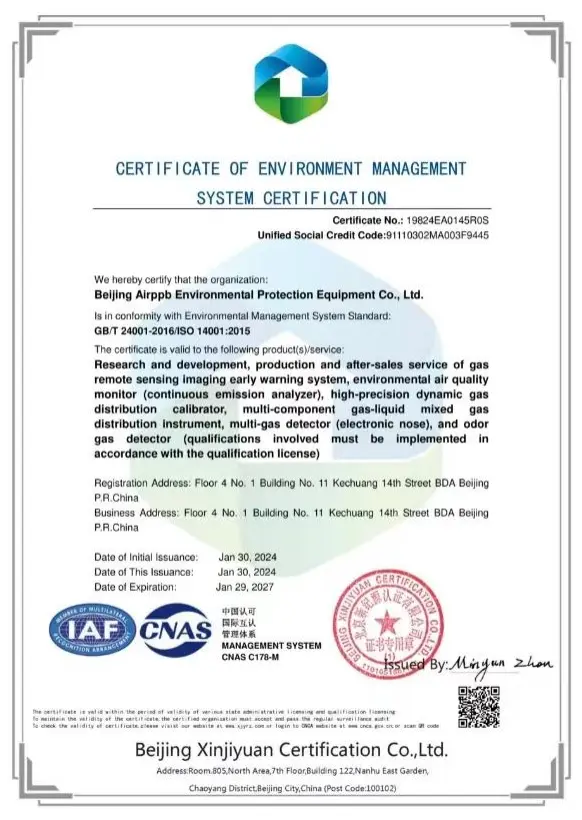
Our Quality Management Systems are fully certified under ISO9001, ISO14001 (Environmental Management), and ISO45001 (Occupational Health & Safety). Furthermore, our core products comply with key regulations, supported by CPA, CCEP, and CNAS/CMA testing reports, assuring reliable performance for our partners worldwide.
Critical forces driving innovation and compliance across international industrial sectors.
Regulatory agencies are transitioning away from passive, localized sampling to dynamic, continuous 3D air monitoring. Facilities are now expected to capture emission spikes and trace plumes back to their source in real-time, driving the demand for open-path FTIR and telemetry-based imaging warnings.
As regulatory limits for toxic gases like VOCs, benzene, and odor compounds fall to part-per-billion (ppb) levels, diagnostic instruments must be highly sensitive. High-precision gas dilutors and mixing devices are essential to keep sensors calibrated and reliable.
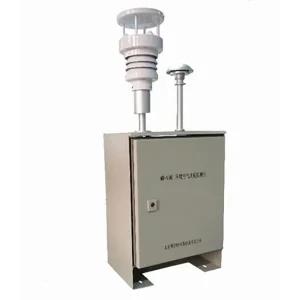
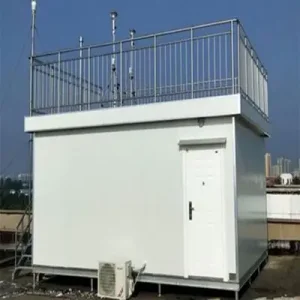
Modern operations rely on distributed monitoring setups, like micro-air stations. These units stream local air quality indexes directly to central cloud platforms, allowing for automated alarms, trend plotting, and rapid emergency dispatch.
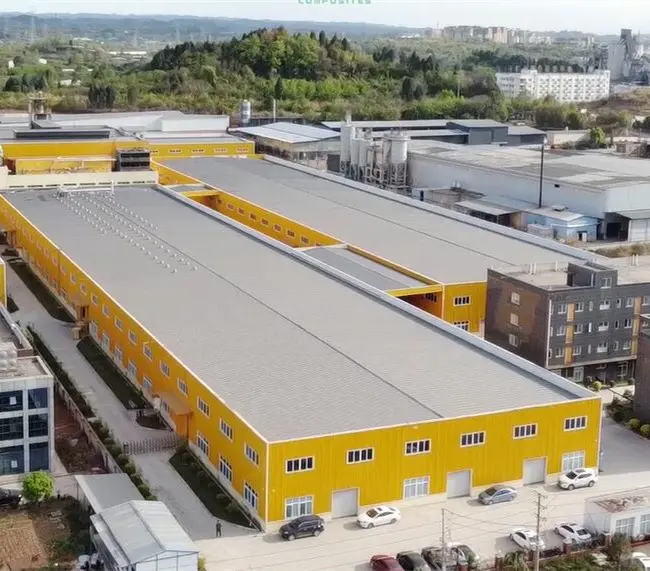
Our facility in Beijing integrates China’s industrial manufacturing infrastructure with modern electronics and software engineering. Operating under advanced Factory 4.0 principles, we combine automated testing stations, climate-controlled calibration chambers, and secure electronic assembly systems to build reliable instruments.
By dedicating 60% of our staff to research and development, we can design, build, and test specialized monitoring products quickly. This deep engineering base supports rapid prototyping and custom software integrations. Whether adapting dynamic gas mixers for cold climates or developing specific multi-sensor arrays, our team ensures these designs reach production swiftly.
A reliable supply chain is critical for emergency equipment. We maintain direct control over key assemblies, sourcing components like optical benches, high-vacuum chambers, and mass flow controllers from verified suppliers. By keeping critical assemblies in-house, we prevent external supply chain delays, maintain strict quality control, and deliver high-precision instruments on schedule.
Over 15 years of experience delivering specialized gas monitoring solutions for global brands and municipal authorities.
We design custom solutions tailored to specific market requirements. Our comprehensive OEM/ODM services help clients build their brands with validated, compliant equipment.
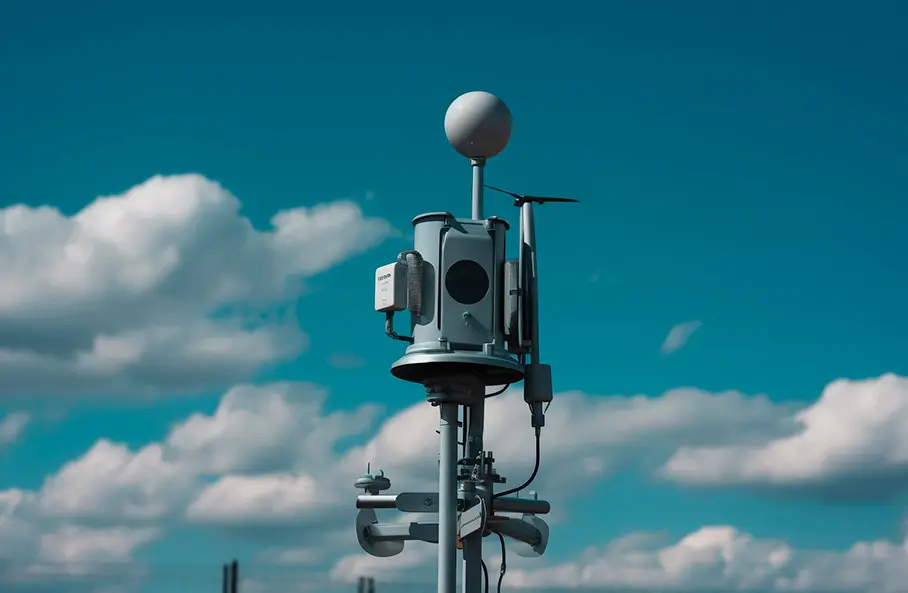

With R&D engineers representing 60% of our workforce, we keep our gas analysis technology competitive, using the latest optical, electrochemical, and software designs.

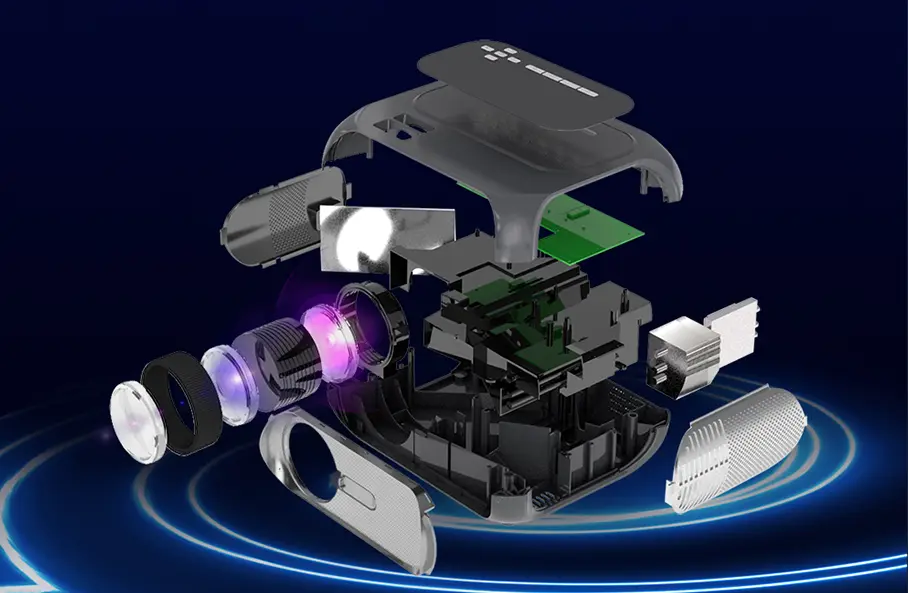
Each instrument undergoes thorough testing and multi-gas calibration against traceable standards. We manage our testing processes carefully to support long-term field reliability.


Our technical sales engineers undergo rigorous training to understand complex environmental standards. We help clients select proper configurations, integrate systems, and manage local compliance approvals.


Verified compliance to international standards and active engagement within the global science and instrumentation community.
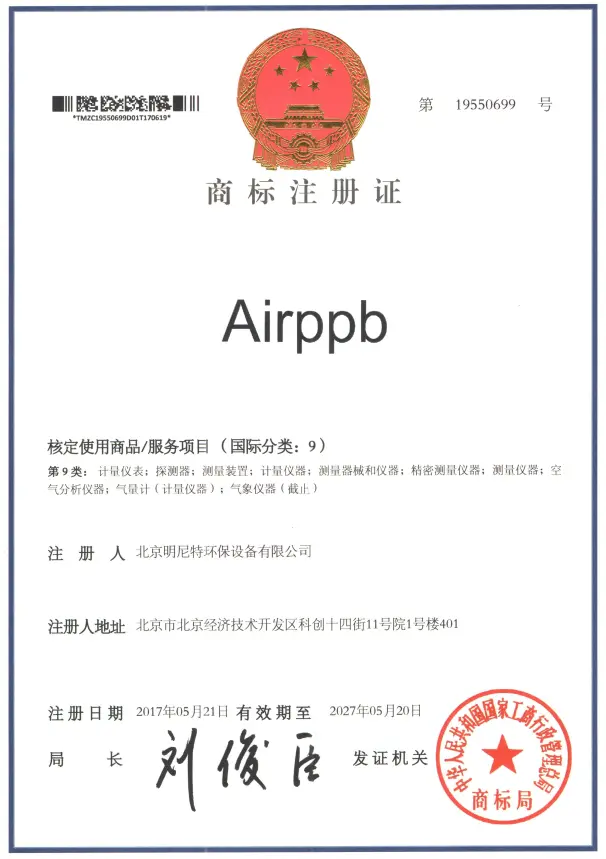
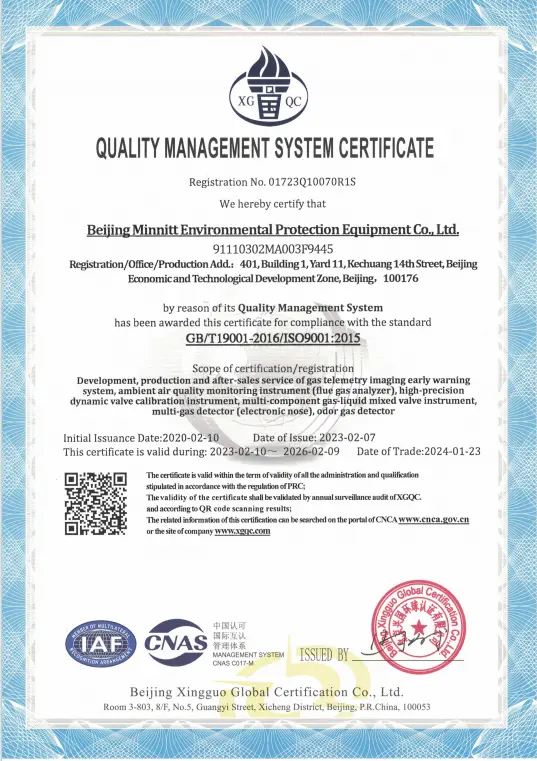
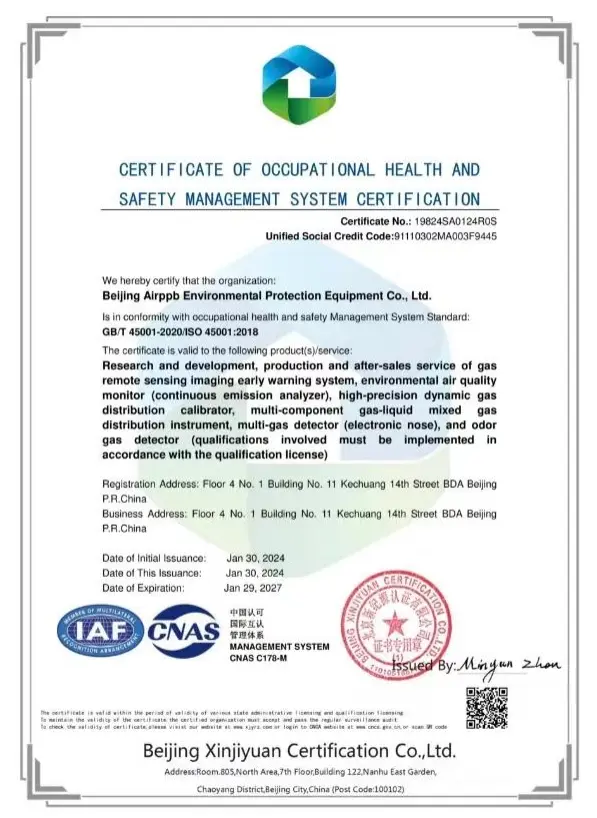
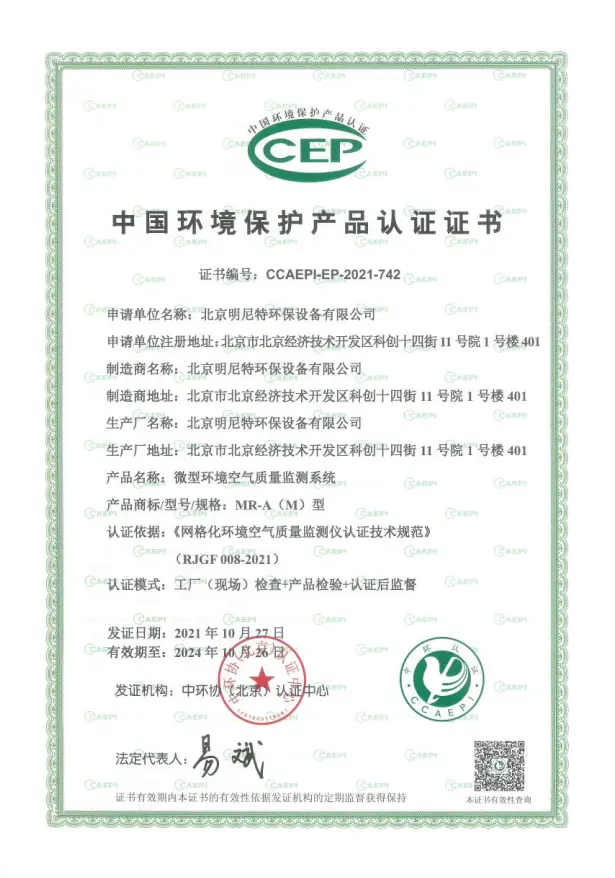
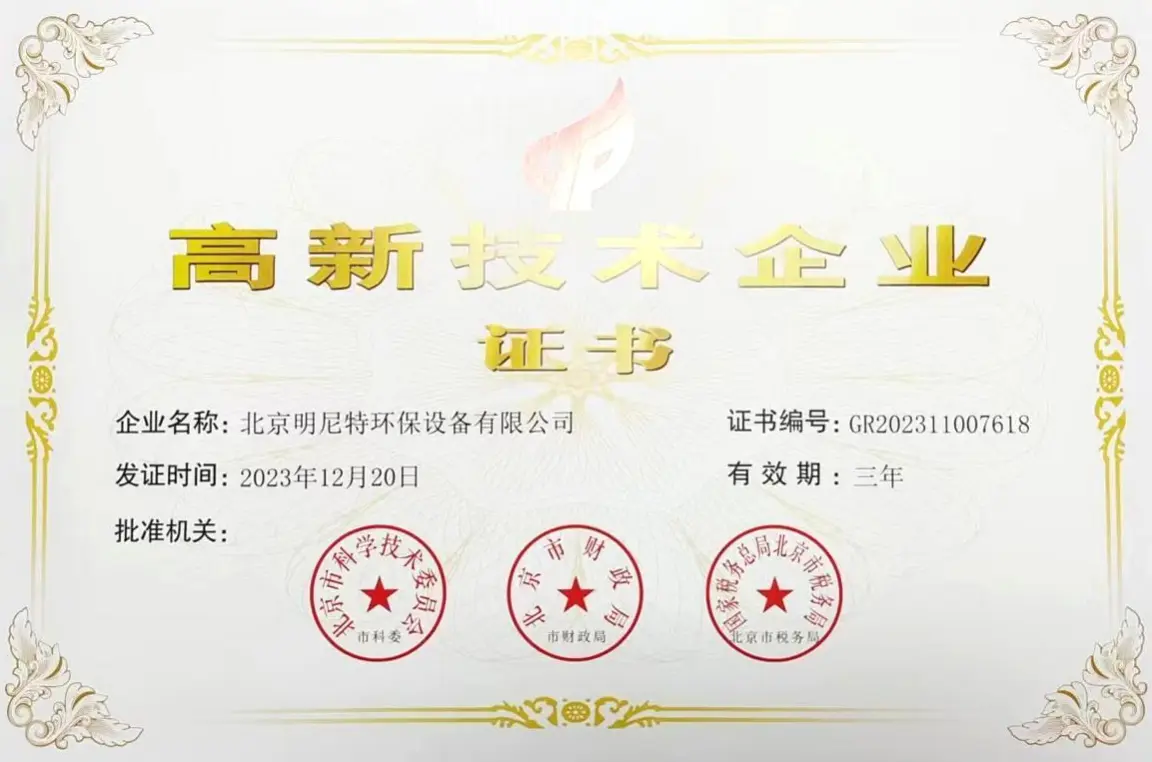

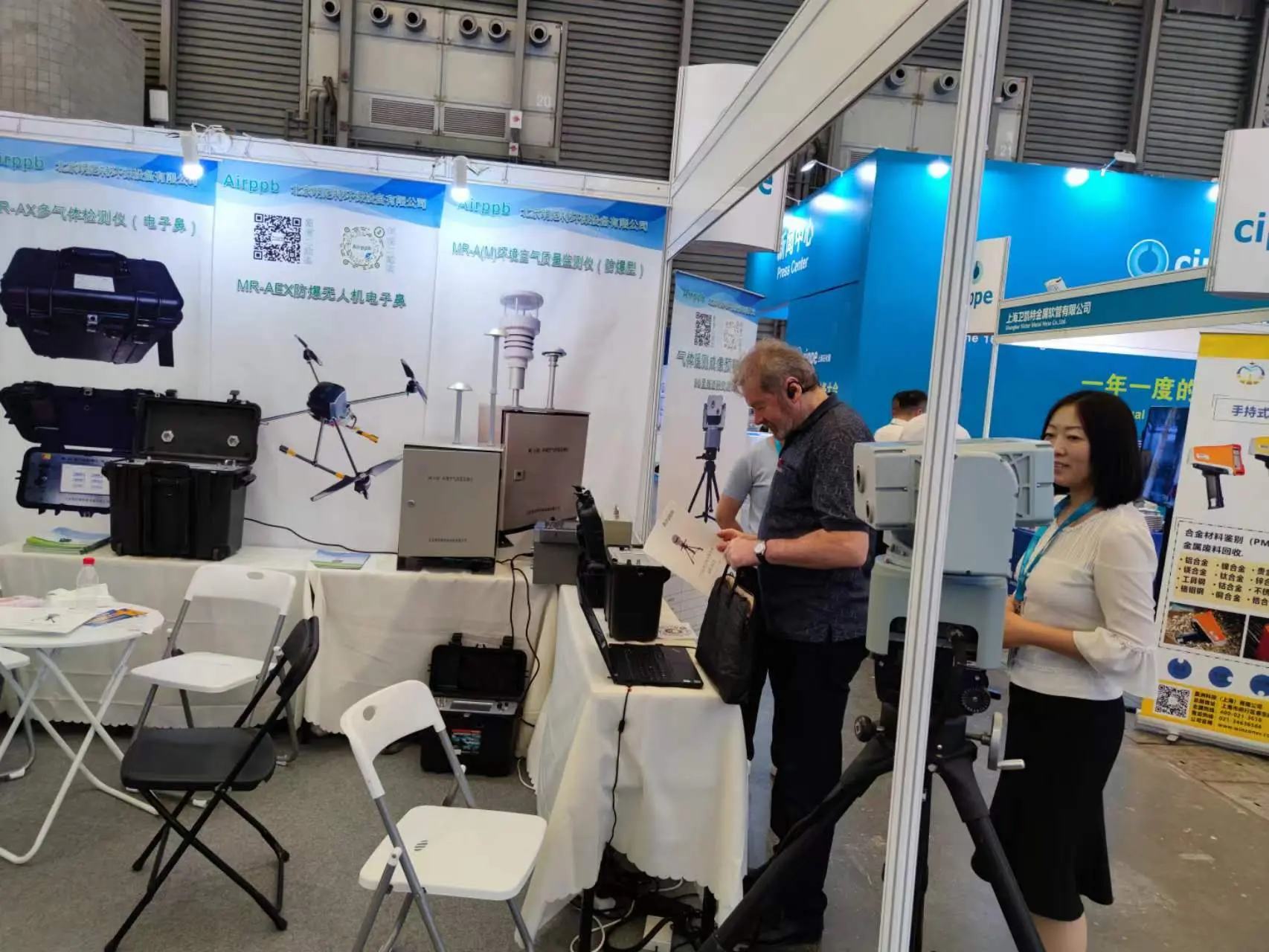
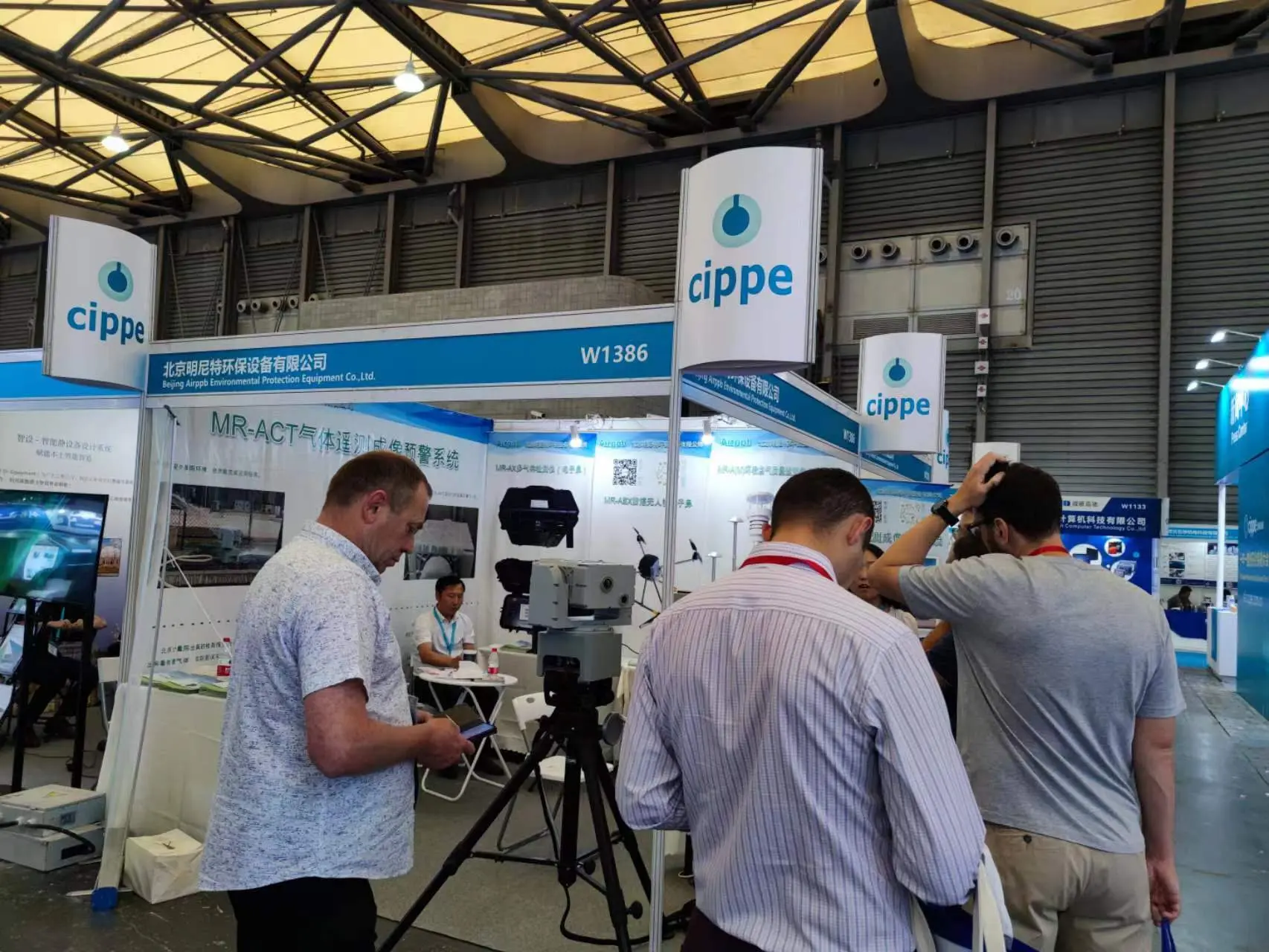
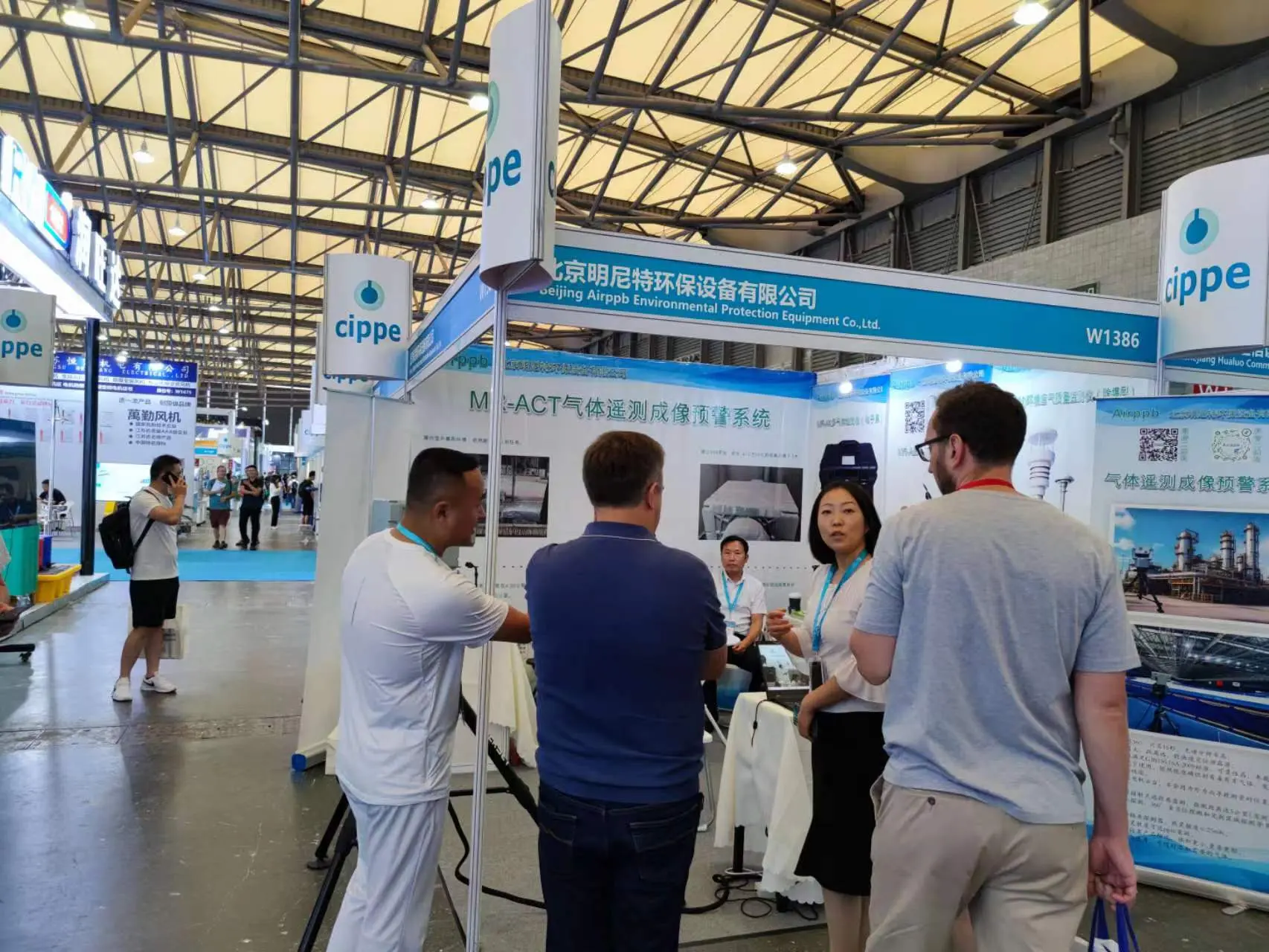
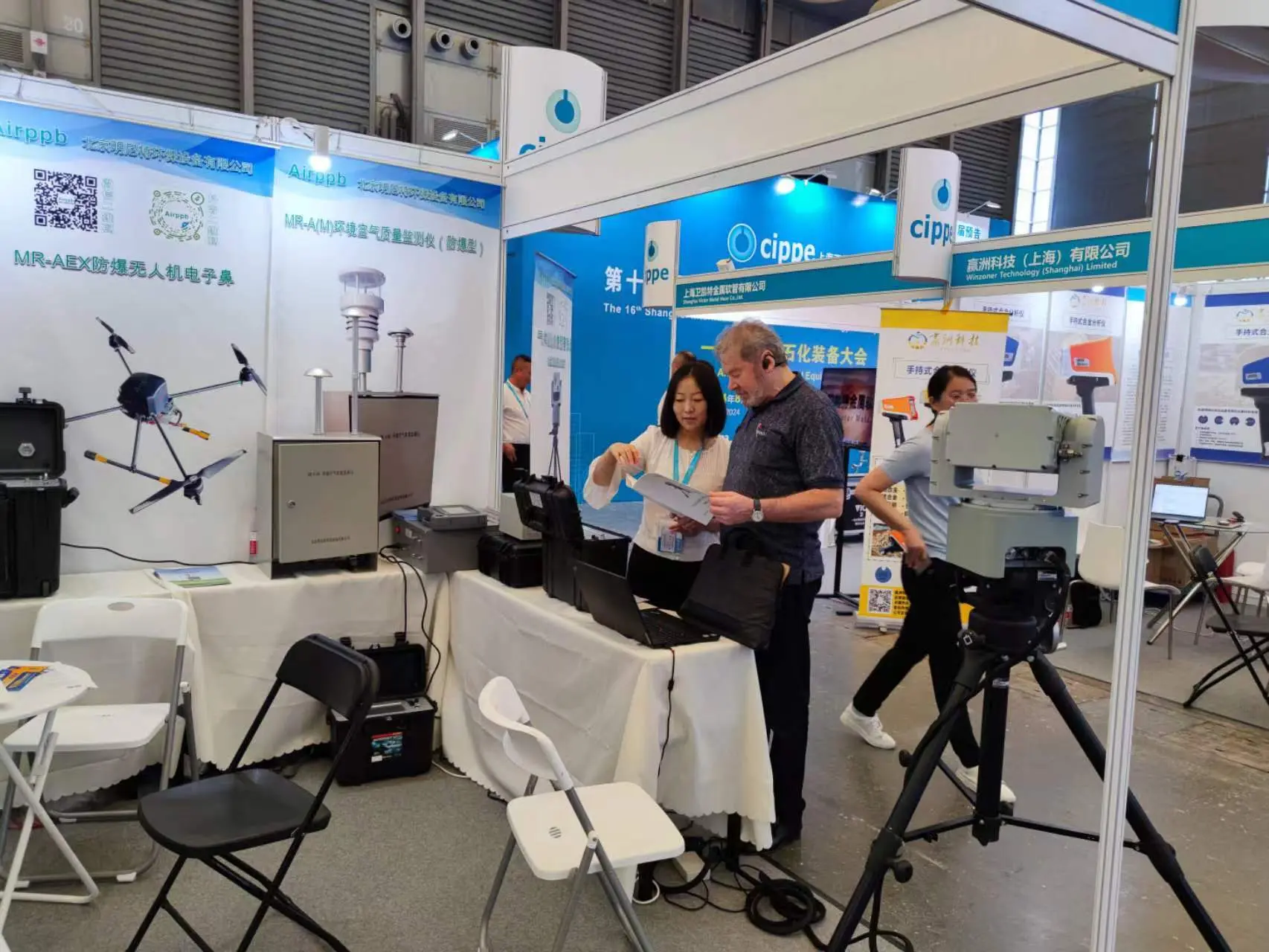

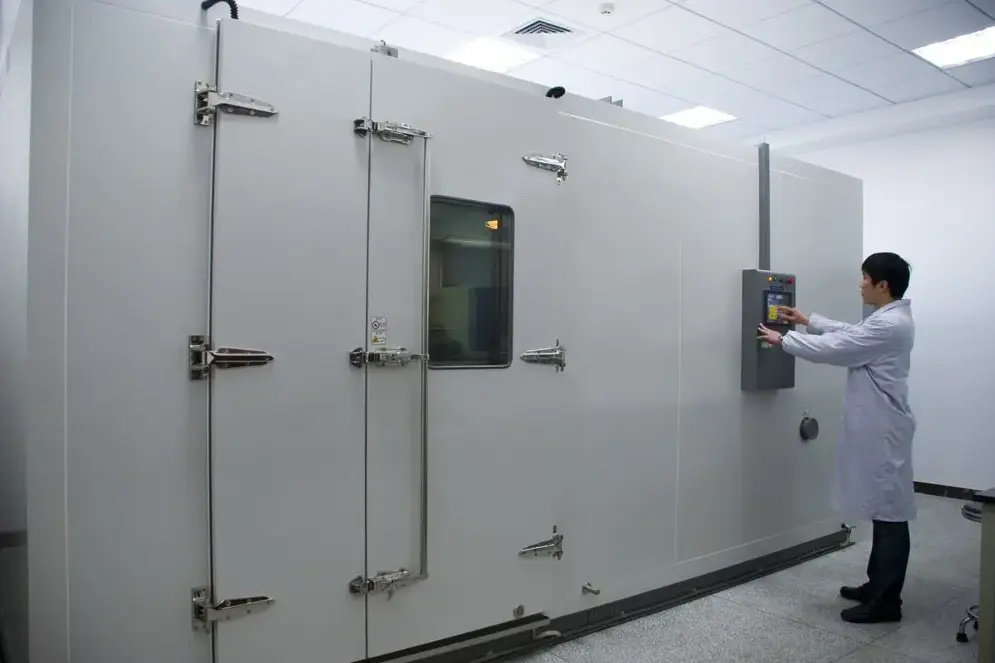
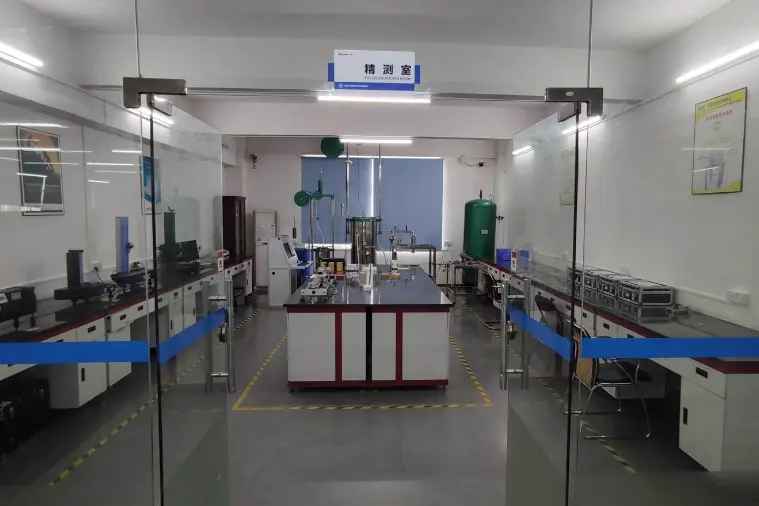
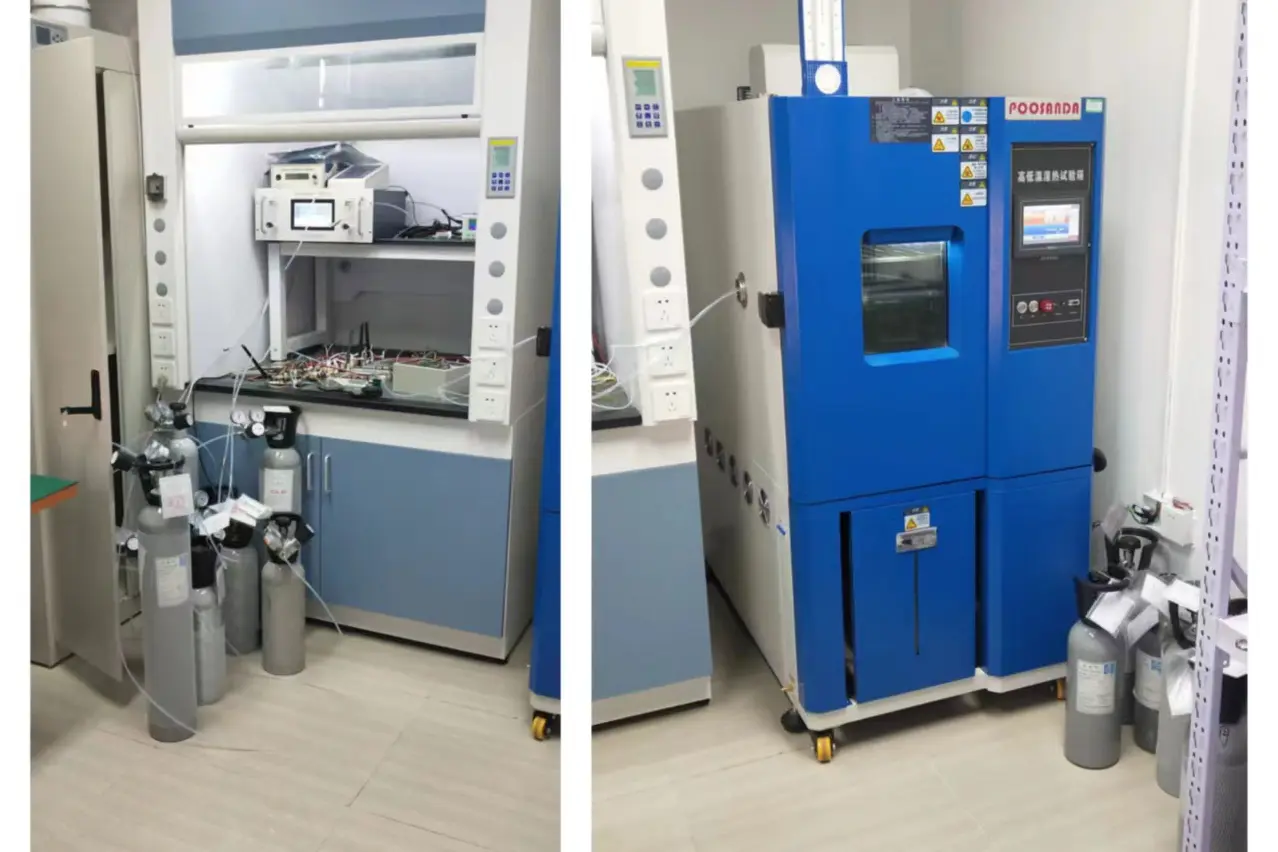
Supporting environmental monitoring and industrial safety in over 40 countries and regions.

Technical explanations and operational details for environmental engineers, managers, and emergency response teams.
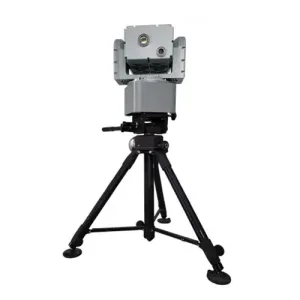
Open-Path FTIR systems emit a modulated infrared beam over a designated distance (often up to several kilometers) to a retroreflector or utilize passive thermal radiation from the background. As atmospheric gases absorb infrared energy at specific, unique wavelengths, the return signal contains spectral fingerprints. By performing mathematical Fourier Transforms on the light data, the system identifies and measures multiple target gases simultaneously in seconds. This optical technique eliminates the delay associated with physical gas sampling, providing immediate detection during industrial spills, volcanic monitoring, or military chemical emergencies.
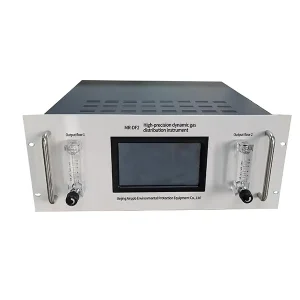
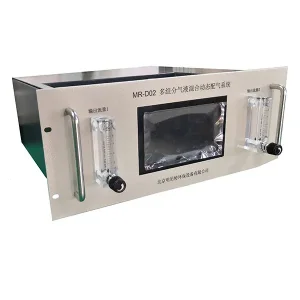
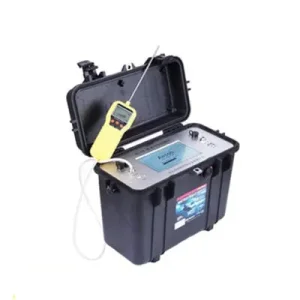
Static calibration cylinders contain pre-mixed concentrations that can degrade over time due to adsorption or chemical reactions with the cylinder walls. In contrast, dynamic gas distribution instruments (like the MR-DF2 or MR-DO2) mix pure target gases with clean diluents (like nitrogen or zero air) on demand. By controlling mass flow rates, these instruments can generate precise concentrations at various levels. This allows operators to perform multi-point calibration curves, run linearity checks, and verify instrument response at low detection thresholds without storing multiple cylinders.
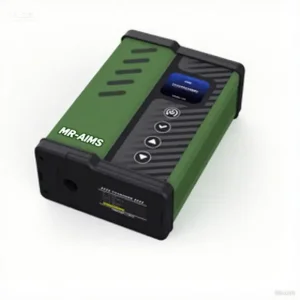
IMS works by ionizing sample molecules and measuring their drift velocity in an electric field against a counter-flowing drift gas. Since different ions have unique sizes, shapes, and charges, they separate based on their mobility. This allows IMS-based handheld detectors (like the MR-AIMS) to detect trace levels of chemicals, including volatile organics, toxic industrial chemicals, and military agents, within seconds. The method operates at ambient pressure, making it well-suited for portable, fast-response field instruments.
CCEP (China Certification for Environmental Products) and CPA (Pattern Approval Certificate of Measuring Instruments) are regulatory benchmarks demonstrating that instruments meet defined accuracy and reliability standards. These certifications ensure that monitors generate valid data for regulatory compliance reporting. Using certified systems protects facilities from liability issues, provides consistent emissions tracking, and ensures compliance during government audits.
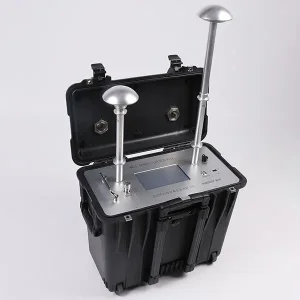
Yes, the MR-AX multi-gas detector uses a sensor array combining electrochemical cells, metal oxide semiconductors, and PID sensors. Integrated pattern-recognition algorithms analyze the complex signals from this array, allowing the device to identify specific compound signatures and calculate overall odor concentration index values. This approach is highly effective for wastewater plants, agricultural sites, and petrochemical parks where odor issues stem from complex chemical mixtures rather than a single compound.
Select analytical models built to protect air quality, improve compliance, and secure industrial zones globally.

 Airppb