High-precision diagnostic equipment optimized for manufacturing assembly lines, battery testing chambers, and municipal environmental safety nets.
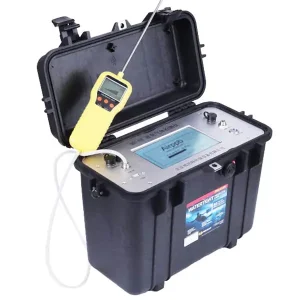
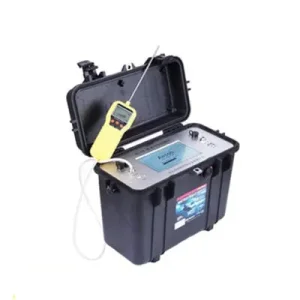
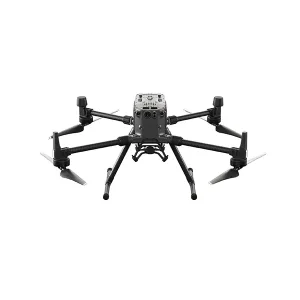
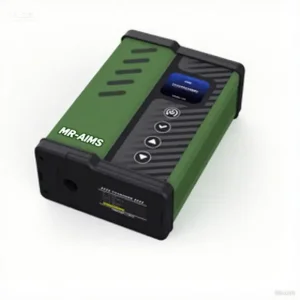
The Detroit metropolitan area, historically the global engine of automotive manufacturing, is undergoing a profound structural evolution. Transitioning from traditional internal combustion engine (ICE) assembly lines to high-tech Electric Vehicle (EV) battery gigafactories, battery pack assembly facilities, and semiconductor-adjacent testing labs requires a major shift in risk mitigation. This shift has elevated the critical importance of sub-ppb (parts-per-billion) and ppm (parts-per-million) level toxic gas and VOC monitoring.
In addition, Detroit's geographical positioning along the busy Detroit River industrial corridor—bordering heavy chemical synthesis hubs, steel refineries, and major transportation logistics nodes—exposes both the workforce and adjacent urban populations to potential atmospheric hazards. Regulatory bodies such as the Michigan Department of Environment, Great Lakes, and Energy (EGLE) and EPA Region 5 have established strict ambient air monitoring mandates. Modern industrial facilities must deploy advanced continuous emission monitoring systems (CEMS) and rapid-response portable gas chromatography-mass spectrometry (GC-MS) equivalent instruments to ensure absolute regulatory compliance and community safety.
"Gigafactory dry-room operations and electrolyte filling processes require immediate, milliseconds-level detection of Hydrogen Fluoride (HF), volatile organic compounds (VOCs), and oxygen depletion hazards to prevent catastrophic thermal runaway events."

Meeting strict cross-border criteria, quality control frameworks, and hazardous area certifications required by global OEMs.
For procurement officers overseeing international supply chains, chemical complexes, and automotive facilities, selecting a gas measurement instrument manufacturer is a rigorous process. The core criteria go beyond basic gas sensitivity to focus on long-term calibration stability, sensor cross-sensitivity profiles, and international compliance structures.
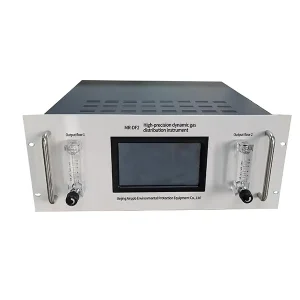
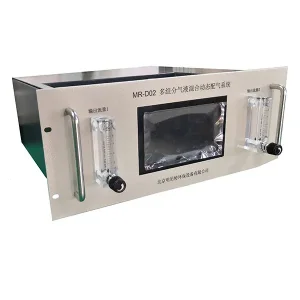
Industrial organizations require manufacturers to offer comprehensive traceability. Our dynamic gas distribution systems, such as the MR-DF2 and MR-DF3, address these issues directly. They enable automated, on-site calibration checkouts using traceable master cylinders. This ensures that field sensors operating in rugged environments maintain high accuracy and reduce the downtime associated with shipping components back to external metrological calibration labs.
Modern plant infrastructure relies on a combination of different gas analysis techniques, selected for their specific performance characteristics:
Integrating edge computing, sensor fusion, and smart communications into modern industrial environments.
As the industrial sector moves toward fully automated smart manufacturing, the future of gas monitoring lies in digital integration. Our development roadmap is focused on transitioning from standalone warning devices to intelligent, networked sensor arrays. By incorporating IoT modules (supporting cellular, Wi-Fi, WirelessHART, and ISA100.11a protocols), our field-deployed instruments act as active edge nodes in larger industrial networks.
By applying machine learning algorithms directly to analytical instruments, we can filter out background interference and false positives in complex industrial settings (such as automotive paint shops with high ambient solvent concentrations). This approach enables predictive maintenance analytics that flag sensor degradation before failure occurs, ensuring uninterrupted operation for manufacturing facilities in Detroit and worldwide.
Deploying microprocessors directly onto sensor nodes to run real-time spectral-deconvolution algorithms. This minimizes false alarms and isolates target gas signatures in challenging environments.
Establishing auto-routing mesh networks between portable units and stationary stations to automatically build real-time spatial heat maps of fugitive emissions across large plants.
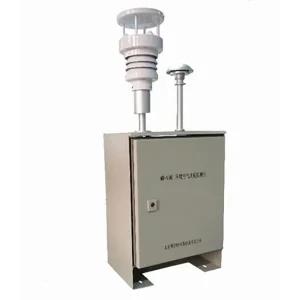
Combining local meteorological parameters with real-time gas sensor inputs to accurately predict downwind dispersion paths. This provides emergency teams with actionable plume-routing data.
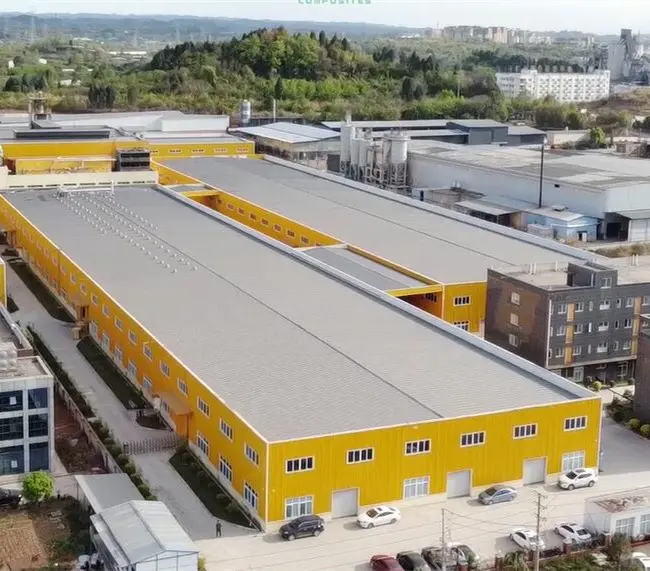
Established in 2012, our group company is dedicated to the development and production of Fourier transform infrared gas remote sensing imaging early warning systems, ambient air quality monitors, high-precision dynamic gas distribution meters, multi-gas emergency detectors, and atmospheric air analysis instruments. We offer specialized OEM/ODM services for gas detection systems worldwide.
Our production facilities maintain strict quality control under ISO9001 (Quality Management System Certificate), ISO14001 (Environmental Management System Certification), and ISO45001 (Occupational Health and Safety Management System Certification). Additionally, our instruments comply with standard regulatory guidelines and hold CPA, CCEP, and CNAS/CMA testing reports, ensuring dependable operation in demanding environments.
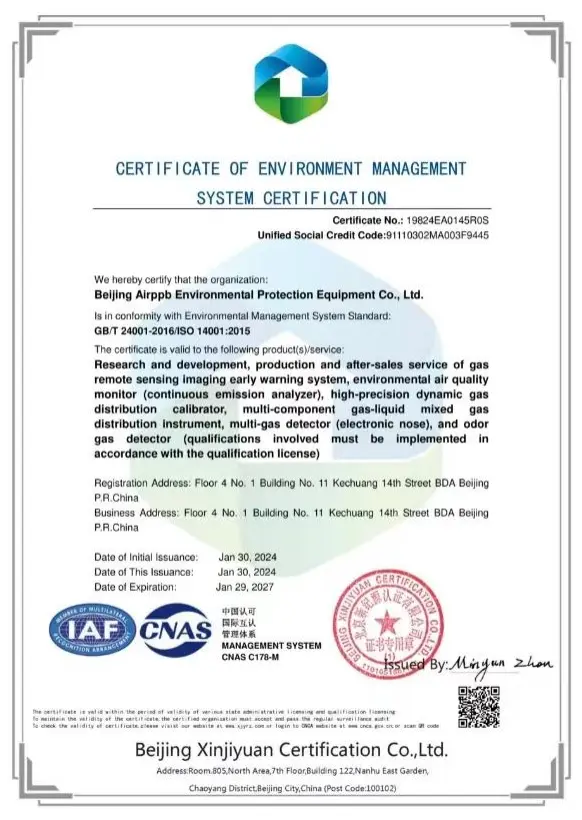
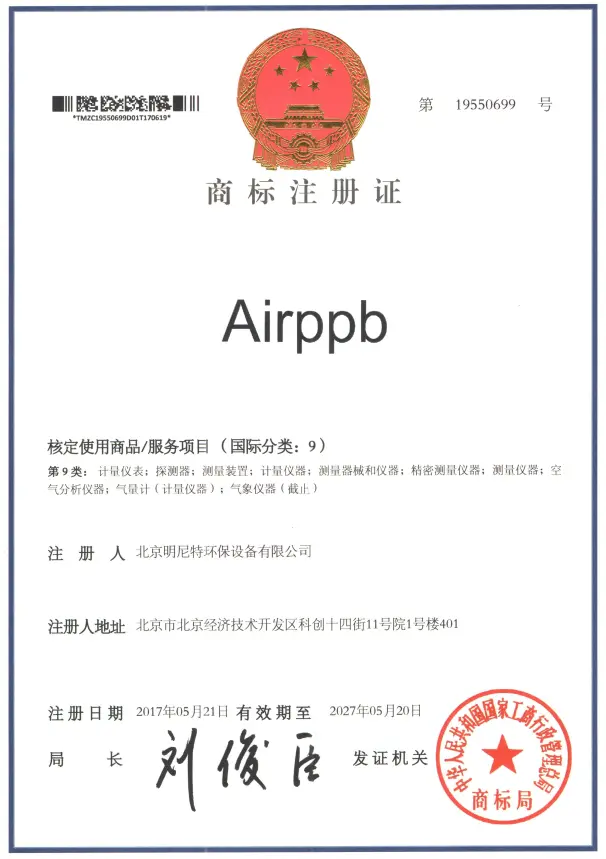
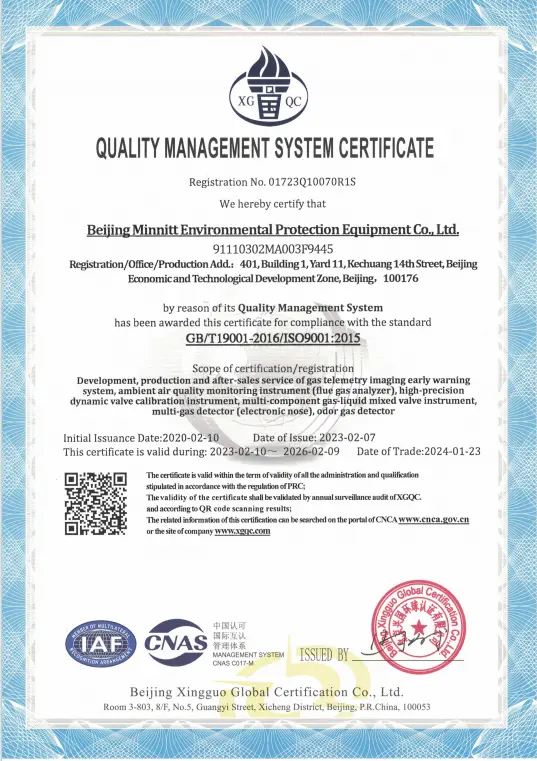
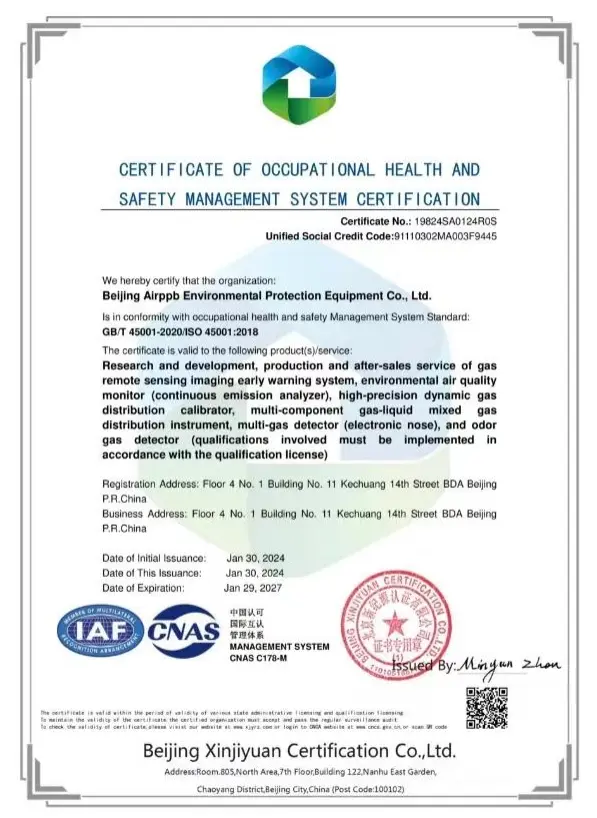
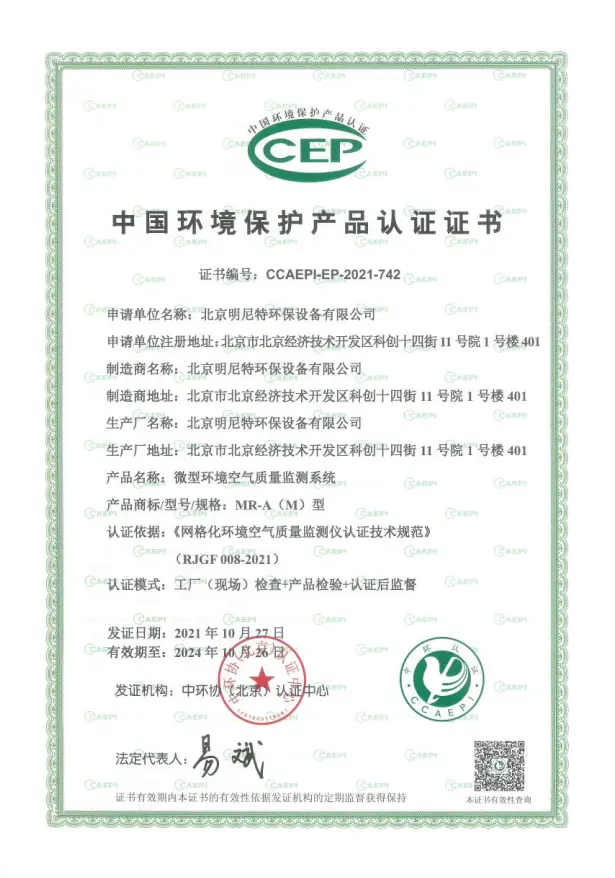
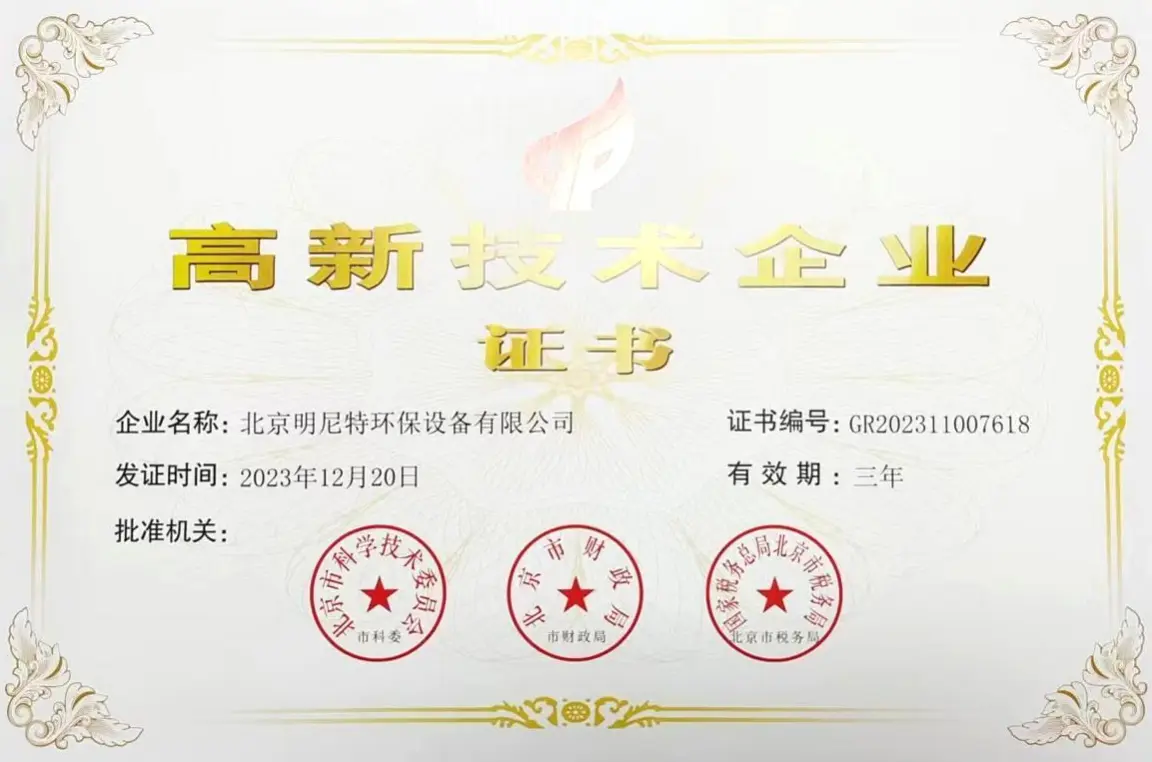

Our specialized R&D team works with system integrators to customize safety equipment for challenging environments.
Providing flexible styling, custom gas profiles, and localized firmware configurations for global distributors.
Staffed by optics engineers, software programmers, and analytical chemists focused on solving complex sensing challenges.
Every instrument undergoes temperature-compensation checks, environmental test-chamber cycles, and gas-flow calibration.
Guiding clients through deployment configurations, local regulations, and target site planning.
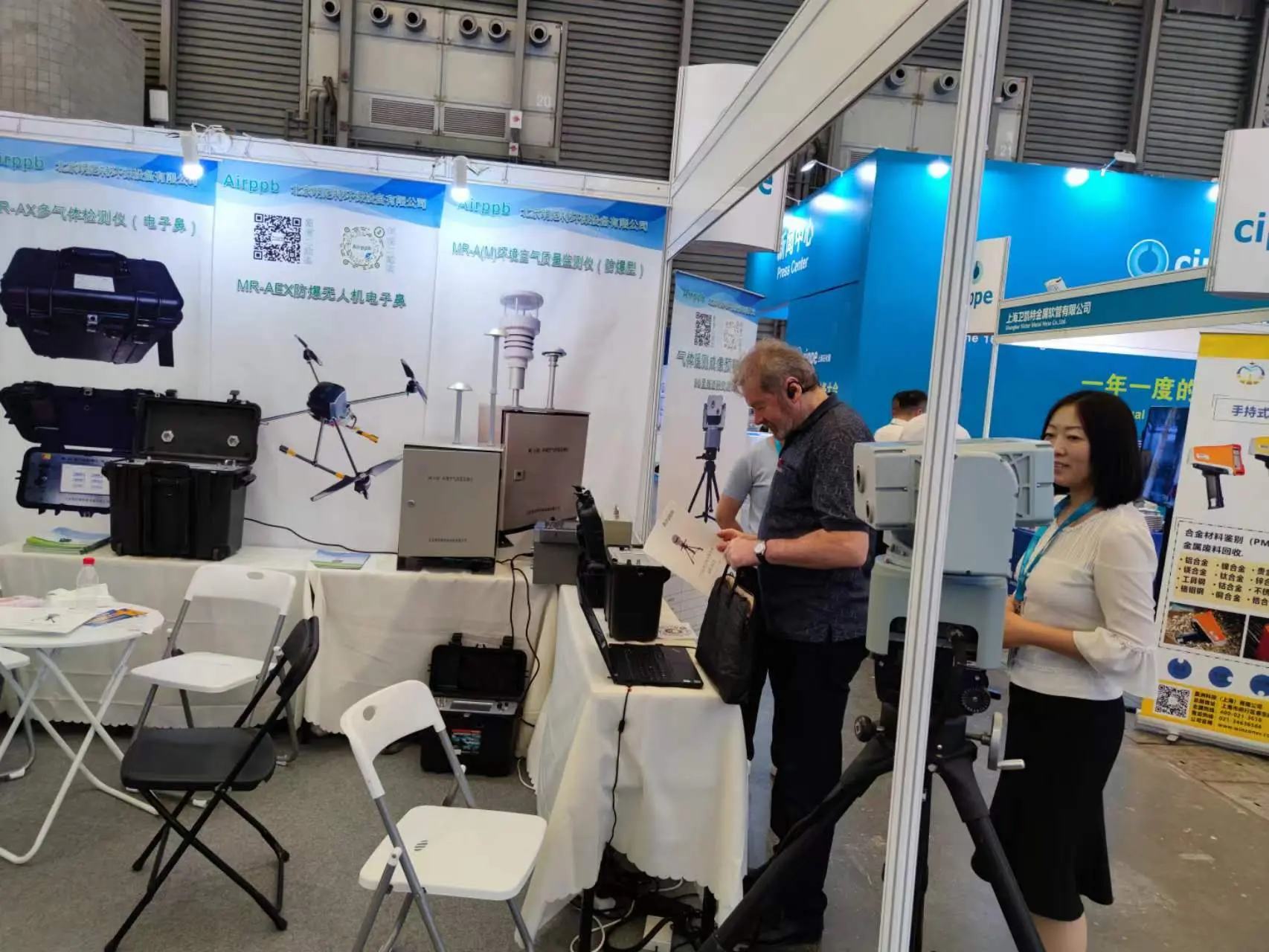
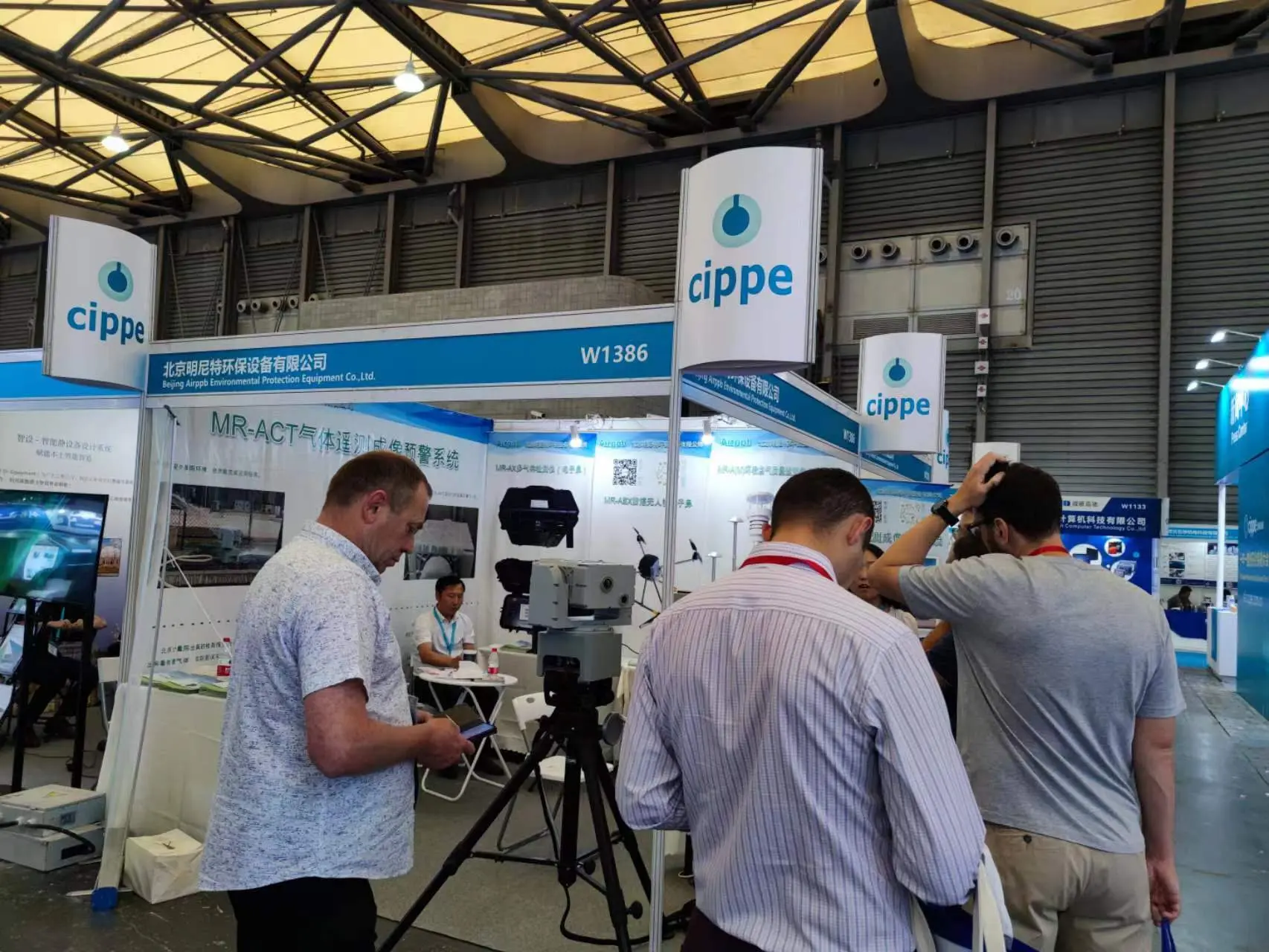
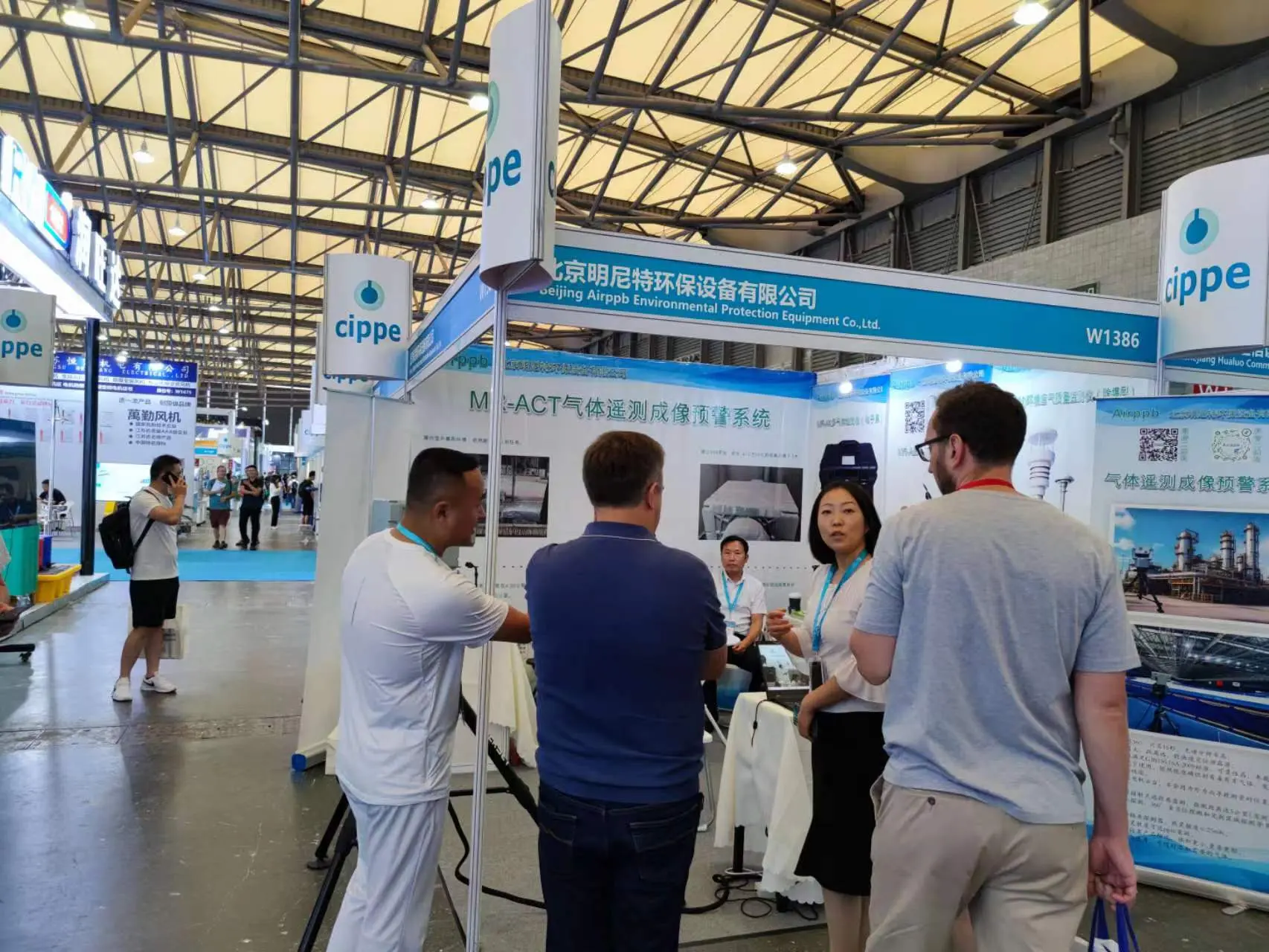
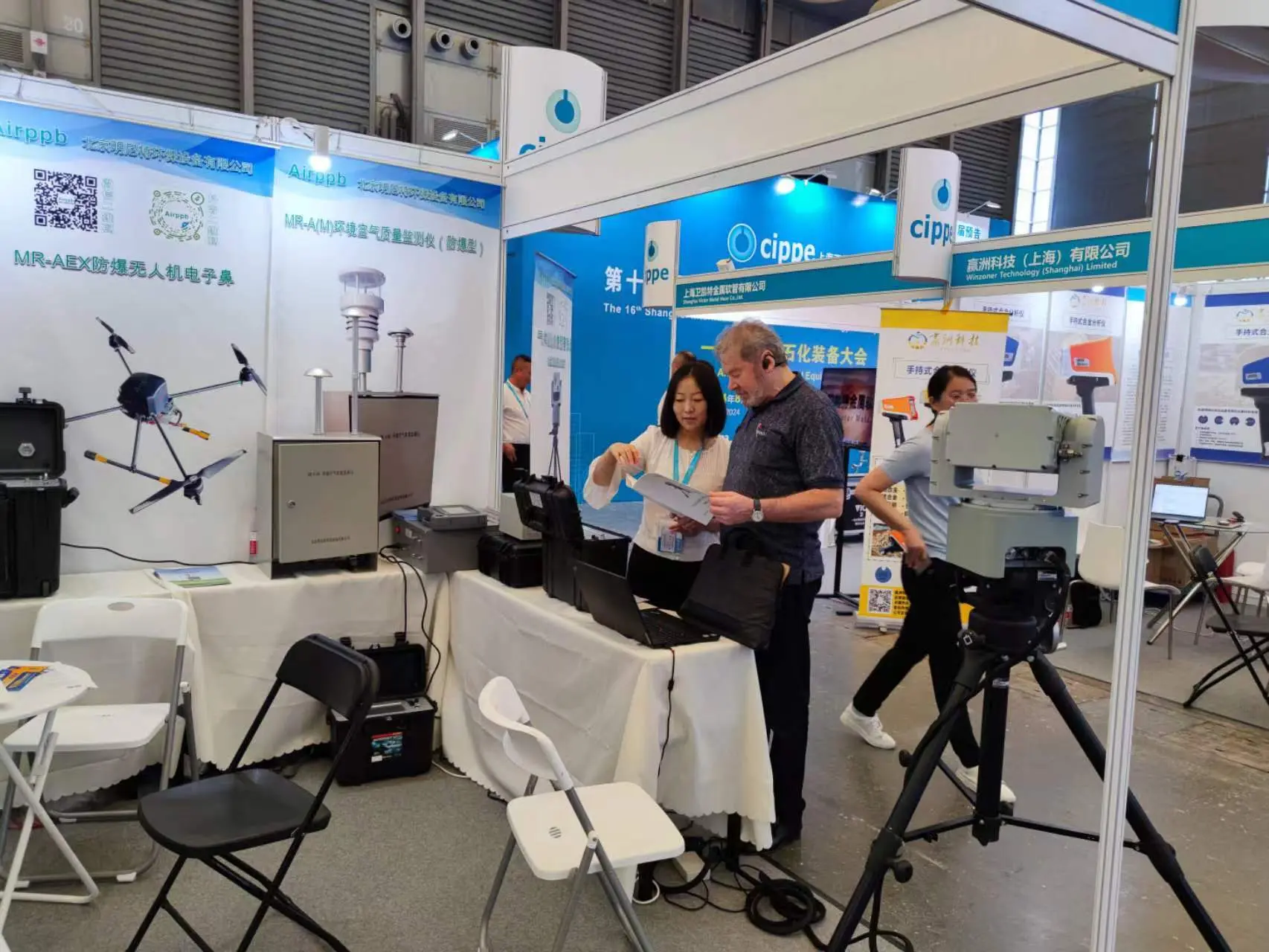
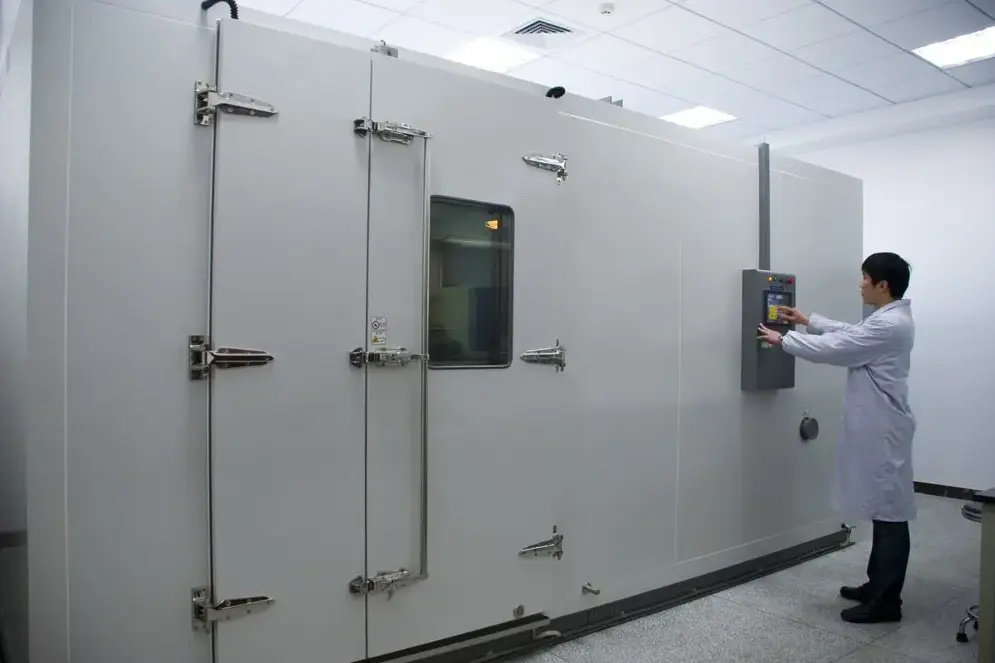
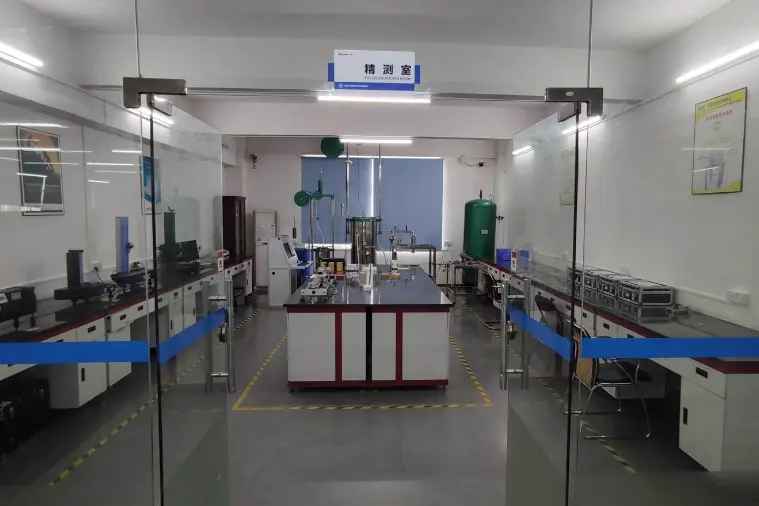
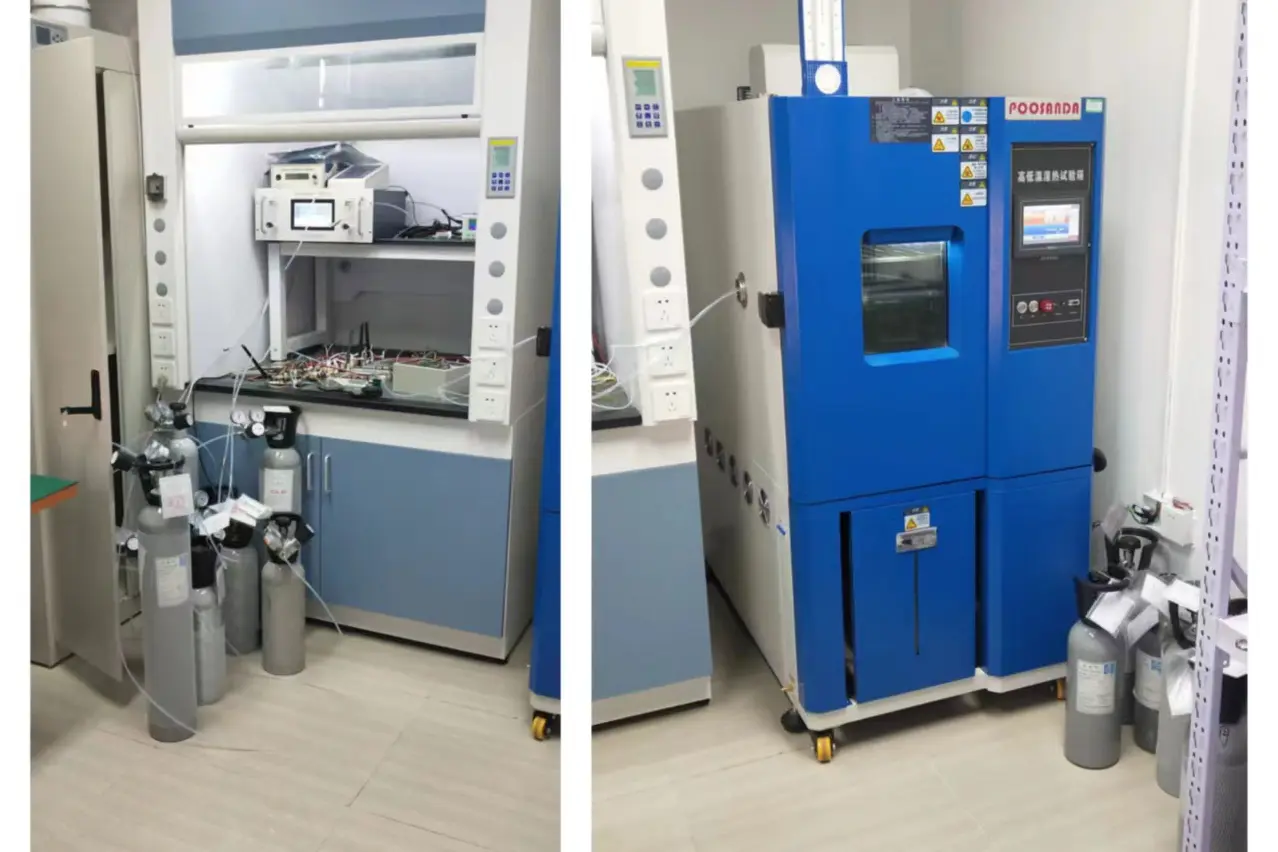
Deploying gas detection systems within Detroit requires compliance with local occupational and environmental regulations. Our engineering support structure provides local technical help and compliance validation to ensure your facility stands up to auditing scrutiny.
We work to align your systems with the standards set by key regulatory bodies, including:
We provide end-to-end support to align monitoring networks with your facility's safety systems:
Expert technical answers regarding gas tracking, FTIR configurations, and dynamic calibration.
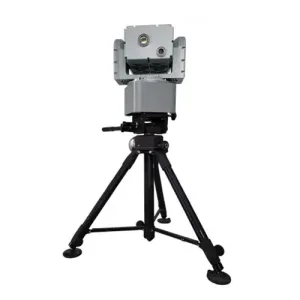
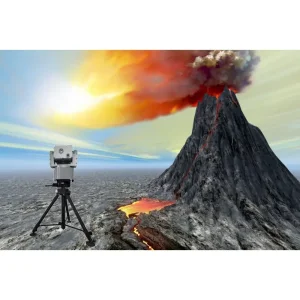
Fourier Transform Infrared (FTIR) telemetry enables wide-area monitoring without needing multiple single-point gas sensors. By evaluating infrared absorption across a broad optical path, it identifies and measures many gases simultaneously. This makes it highly effective for chemical plant fence lines and heavy industrial complexes where monitoring large areas is required.
Static gas calibration mixtures can degrade or suffer from surface adsorption inside standard cylinders. Dynamic gas distribution instruments utilize mass flow controllers to dilute high-concentration gases down to precise ppb or ppm levels on-site. This method provides fresh, highly accurate calibration gas mixtures, improving validation checks for highly reactive compounds.
In dry-rooms, detecting hydrogen gas (from battery formation processes) and monitoring volatile organic solvents (used during coating steps) is essential. Deploying continuous monitoring gas systems featuring integrated relays that trigger local exhausts helps protect workers and prevent industrial accidents.
Electrochemical sensors use chemical reactions to detect specific gases, which can be prone to drift over time. IMS instruments ionize gas samples and measure the time it takes for ions to travel through a drift tube under an electric field. This physical measurement technique provides faster responses, higher sensitivity for trace levels, and better selectivity for complex organic molecules.
Our complete line of portable monitors, stationary analysers, and automated calibration systems.
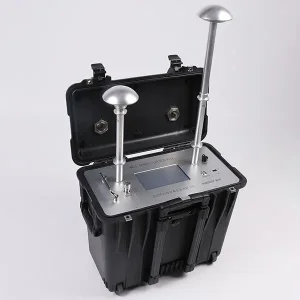
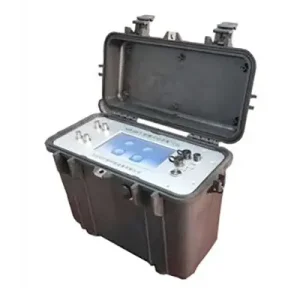
Our engineering group collaborates with safety directors and plant engineers to configure custom detection grids, spectral libraries, and remote telemetry arrays.
 Airppb